
Evolution of Ludo, a game that has captured the hearts of players across generations, has seen a remarkable evolution over the centuries. From its origins in ancient India to becoming a modern online sensation in Pakistan, Ludo has managed to adapt and stay relevant. Whether it’s a casual game played with family or a competitive online experience, Ludo continues to be one of the most beloved board games in the world. In this blog post, we will explore the rich history of Ludo, its journey from India to Pakistan, and its rise in the digital age.
Evolution of Ludo: The Royal Game of India
Evolution of Ludo, known by many names around the world, originated as a game called “Pachisi” in ancient India. Pachisi was played on a large, cross-shaped board, and it was a game of strategy, chance, and skill. The game was so significant that it was even played in royal courts, including the famous game matches between the Mughal Emperor Akbar and his courtiers. The original game involved moving pieces around the board based on the roll of dice, and players had to strategize to capture and defeat their opponents’ pieces.
Pachisi had its own unique set of rules, and it was often played with pieces that were moved around the board, sometimes based on both the throw of dice and the player’s tactical decisions. The game was popular not only in India but also in other parts of South Asia, and it eventually spread to different parts of the world, where it underwent various transformations.
The Transformation into Ludo
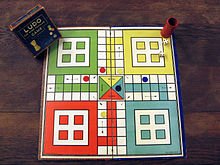
As centuries passed, the game evolved and became more simplified. In the late 19th century, British colonizers in India adapted the game into a simpler version, which was later marketed as “Evolution of Ludo.” Unlike Pachisi, Ludo was designed to be played on a small, compact board with simpler rules, making it easier for families to play. The design of Ludo consisted of a square board with a cross pattern, and players moved their pieces along the path according to the roll of dice.
The British version of the game soon spread across Europe and the rest of the world, becoming a household favorite. The game’s appeal was universal—whether it was played as a fun, casual activity or as a strategic game to outwit one’s opponents, Ludo enjoyed great success.
Ludo in Pakistan: A National Pastime
In Pakistan, Ludo quickly became a popular game, often played in homes, schools, and parks. The game’s simplicity and the element of chance made it enjoyable for people of all ages. But is Ludo a Pakistani game? The answer lies in its historical connection to the region of South Asia. While Ludo itself is derived from the ancient Indian game Pachisi, the version we know today became popular in Pakistan due to its cultural ties to the Indian subcontinent. Over time, it became a staple in many Pakistani households, often played during family gatherings and festivals.
The game’s popularity grew steadily in Pakistan, as it was a way to bring people together for some light-hearted fun. Its easy-to-learn rules, combined with the unpredictable nature of dice rolls, made it an exciting choice for players. Ludo in Pakistan became more than just a game—it became a symbol of cultural connection and shared experiences.
The Rise of Online Ludo in Pakistan
With the advent of technology, Ludo’s popularity surged into the digital era. In the past decade, Pakistan has witnessed a rapid transformation in the gaming industry, with mobile apps and online platforms offering convenient ways for people to enjoy their favorite games. Ludo, being one of the most loved games in Pakistan, quickly embraced this shift.
Online platforms such as Ludo.pk have emerged as leading destinations for Pakistani players who want to enjoy the game on their smartphones, tablets, or computers. These platforms allow players to connect with others from around the world, offering both competitive and casual gaming experiences. Whether it’s playing against friends or competing with strangers, online Ludo has become a staple of modern entertainment in Pakistan.
Benefits of Online Ludo: Convenience and Connectivity
One of the most significant advantages of online Ludo is its convenience. Unlike traditional board games, which require players to be physically present, Evolution of Ludo offers a flexible, on-the-go experience. Players can log into platforms like Ludo.pk anytime, anywhere, and start playing with people from different parts of Pakistan, or even across the globe.
Another benefit is the added social aspect of online Ludo. Many online platforms incorporate chat features, allowing players to communicate and interact during their gameplay. This feature adds a layer of community and social bonding that was previously missing from the traditional version of the game. The ability to play in real-time against players of varying skill levels also enhances the overall experience, making Ludo more exciting and competitive than ever before.
Ludo and Its Popularity Among Younger Generations
In today’s fast-paced digital world, it’s common to find younger generations turning to online gaming for entertainment. Ludo is no exception to this trend. Platforms like Ludo.pk have made the game appealing to a new generation of players who grew up in the era of smartphones and social media.
The engaging nature of online Ludo, along with the ability to earn rewards, rise through rankings, and interact with other players, has made it an attractive choice for the youth. Online tournaments, cash prizes, and regular events also contribute to its growing popularity among Pakistan’s younger demographic.
Ludo in Pakistan’s Cultural Context
In Pakistan, Evolution of Ludo is not just a game but an integral part of the social fabric. It is often associated with family bonding, where members gather around the board and enjoy each other’s company. Ludo also features prominently in festivals and celebrations, particularly during the Ramadan and Eid holidays, when families reunite to play games together.
The game has also found a place in various cultural and educational contexts. Schools use it to teach children about strategy, counting, and decision-making. In this way, Evolution of Ludo is not only a source of entertainment but also a tool for learning and skill development.
Conclusion:
Ludo’s journey from the royal courts of India to becoming a national pastime in Pakistan and a global online phenomenon highlights its timeless appeal. Whether played on traditional wooden boards or through online platforms like Ludo.pk, the game has evolved to remain relevant in an ever-changing world. Today, Ludo continues to be enjoyed by millions of players in Pakistan, bringing together families, friends, and strangers for hours of entertainment.
As the game continues to grow in popularity, particularly in the digital sphere, it’s clear that Evolution of Ludo will remain a beloved part of Pakistan’s gaming culture for years to come. So, the next time you pick up your phone to play a quick game, remember that you’re participating in a tradition that has been passed down through generations and across borders—connecting people through the simple joy of play.