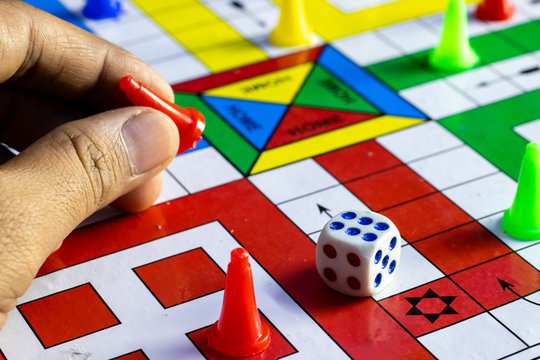

Psychology in ludo, a timeless board game enjoyed by millions worldwide, is often perceived as a simple pastime. However, beneath its colorful squares and rolling dice lies a fascinating interplay of cognitive psychology. The game challenges players to think strategically, manage emotions, and navigate social dynamics—all while adhering to the unpredictable nature of chance. In this blog post, we’ll explore the psychology in Ludo and how it impacts decision-making, emotional regulation, and interpersonal relationships. For those eager to dive deeper into the world of Ludo, visit https://ludo.pk/ to enhance your understanding and gameplay experience.
The Role of Decision-Making in Psychology in Ludo
At its core, Ludo is a game of decisions. Every move requires players to evaluate their options, anticipate outcomes, and weigh risks against rewards. This process taps into several cognitive functions, including problem-solving, critical thinking, and foresight.
Strategic Thinking and Planning
One of the most prominent aspects of psychology in Ludo is strategic thinking. Players must constantly assess the board, considering not only their own pieces but also the positions of their opponents. This dual focus engages the brain’s executive functions, particularly working memory and attention control.
For instance, deciding whether to move a piece out of the starting area or advance an existing one involves weighing short-term gains against long-term strategies. This mirrors real-life scenarios where individuals must balance immediate desires with future goals. Research in cognitive psychology suggests that such games can enhance these skills, making players more adept at decision-making in everyday life.
Risk Assessment and Probability
The roll of the dice introduces an element of chance, forcing players to embrace uncertainty—a key component of psychology in Ludo . Understanding probabilities becomes crucial; for example, knowing the likelihood of rolling a six can influence whether you take a risky move or play it safe.
This aspect of the game teaches players to accept that not everything is within their control, fostering resilience and adaptability. These traits are invaluable in navigating life’s unpredictable challenges.
Emotional Regulation and Psychology in Ludo
Beyond strategy, Ludo also serves as a testing ground for emotional regulation. The highs of landing on a safe square and the lows of being sent back to the start evoke a rollercoaster of emotions. How players respond to these fluctuations reveals much about their psychological makeup.
Managing Frustration and Impulsivity
Being “killed” by an opponent’s piece can trigger frustration, especially if it derails a carefully planned strategy. In such moments, players face a choice: react impulsively or maintain composure. Cognitive psychology highlights the importance of self-regulation in managing negative emotions. Practicing patience during setbacks in Ludo can translate into better emotional control in real-world situations.
Celebrating Success Without Arrogance
On the flip side, achieving milestones—such as getting all pieces home—can lead to feelings of triumph. While celebrating success is natural, overconfidence can cloud judgment and invite mistakes. Balancing pride with humility is another lesson embedded in the psychology in Ludo , promoting healthier interpersonal interactions both on and off the board.
Social Dynamics and Psychology in Ludo
Ludo is rarely played alone; it thrives on social interaction. Whether competing against family members, friends, or online opponents via platforms like https://ludo.pk/ , the game fosters communication, cooperation, and competition.
Reading Opponents’ Intentions
A significant part of psychology in Ludo involves reading non-verbal cues and predicting opponents’ moves. Observing body language or analyzing patterns in gameplay can provide valuable insights. This skill aligns with theories in social cognition, which emphasize the human ability to interpret others’ behaviors and intentions.
In digital versions of Ludo, where physical cues are absent, players rely on pattern recognition and logical deduction. This shift demonstrates how technology influences traditional cognitive processes, offering a modern twist to age-old strategies.
Building Empathy Through Play
Winning isn’t everything in Ludo. Sometimes, allowing younger players to win or offering encouragement after a setback fosters empathy and strengthens bonds. Games like Ludo create opportunities for shared experiences, reinforcing the idea that connection matters more than competition.
Cognitive Benefits of Playing Ludo
Engaging in regular sessions of Ludo offers numerous cognitive benefits, supported by findings in psychology. Here’s how the psychology in Ludo contributes to mental well-being:
Enhancing Memory and Focus
Remembering previous moves, tracking opponents’ progress, and planning ahead require sustained attention and memory retention. These activities stimulate neural pathways, potentially delaying age-related cognitive decline.
Boosting Problem-Solving Skills
Each turn presents a new puzzle to solve, encouraging creative thinking and adaptability. Over time, players develop sharper problem-solving abilities, which can be applied to various aspects of life.
Reducing Stress Through Play
Games like Ludo provide a healthy escape from daily pressures. Engaging in playful activities releases endorphins, reducing stress levels and improving overall mood.
Why Choose ludo.pk for Your Next Game?
In today’s fast-paced world, finding time for traditional board games can be challenging. Platforms like https://ludo.pk/ bring the joy of Ludo to your fingertips, allowing you to enjoy the cognitive and emotional benefits anytime, anywhere. With user-friendly interfaces, customizable settings, and multiplayer options, this website caters to players of all ages and skill levels.
Whether you’re looking to sharpen your mind, bond with loved ones, or simply unwind, ludo.pk offers an immersive experience that blends classic charm with modern convenience. Dive into the psychology in Ludo and discover why this game continues to captivate hearts across generations.
Conclusion: Unlocking the Power of Psychology in Ludo
From decision-making and emotional regulation to social dynamics and cognitive enhancement, Ludo is far more than just a board game. It serves as a microcosm of life itself, teaching players valuable lessons about strategy, patience, and connection. By embracing the psychology in Ludo , we can unlock new dimensions of personal growth and enjoyment.
So, gather your friends, fire up https://ludo.pk/ , and embark on a journey that combines fun with profound psychological insights. Whether you’re a seasoned player or a newcomer, there’s always something new to learn—and win—in the vibrant world of Ludo.
Let the dice roll!