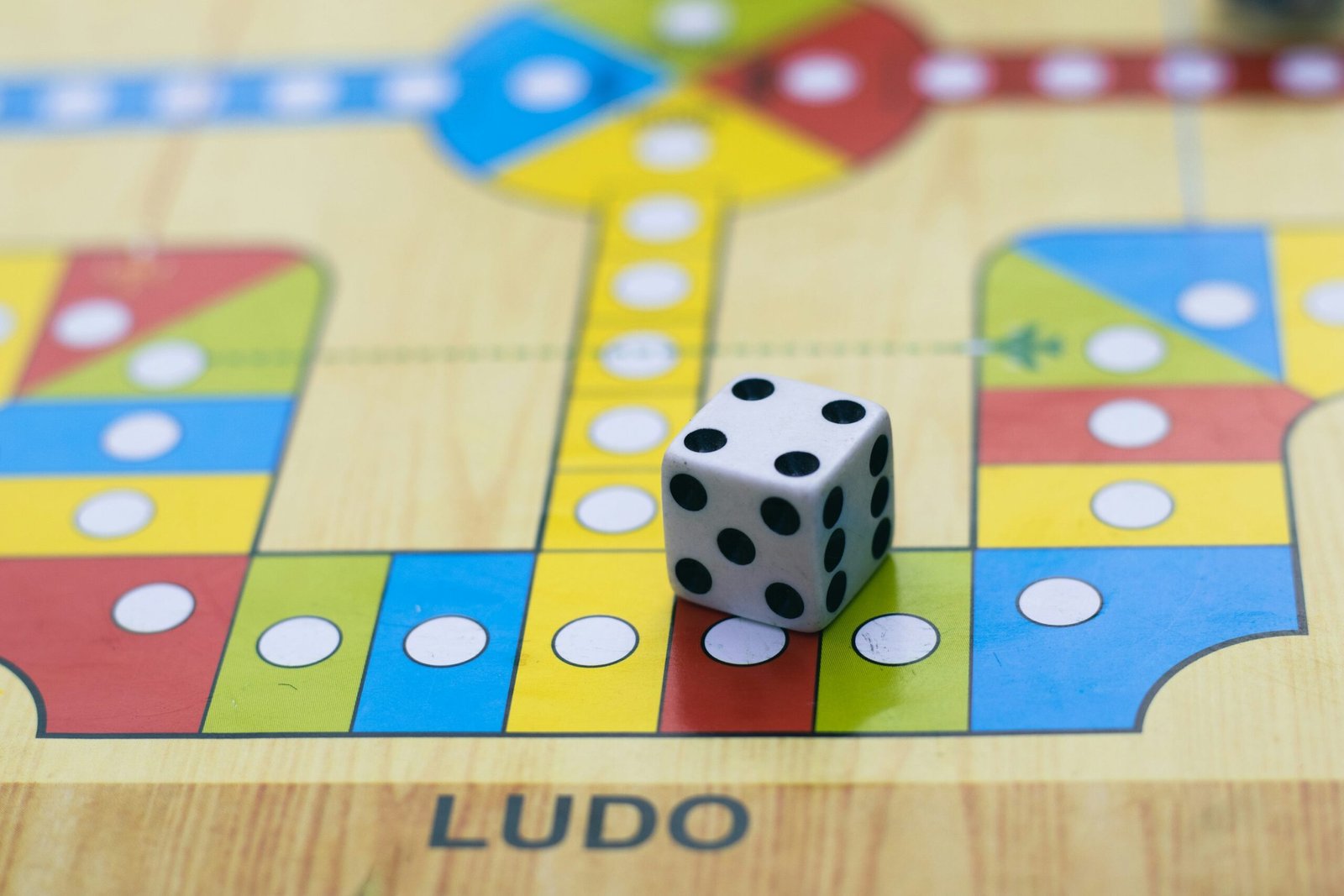
In this blog, we delve into the psychology behind Ludo players, exploring the motivations, behaviors, and strategies that come into play when the dice start rolling.
1. The Role of Psychology of Ludo Players
Ludo, like many board games, is a combination of skill and chance. The randomness of the dice roll introduces an element of luck, while strategy governs how players move their tokens around the board. For some, the unpredictability of Ludo creates a thrilling atmosphere. Every roll could be the game-changer — a feeling that keeps players on the edge of their seats.
But the balance of luck and skill affects players differently. Some players enjoy the uncertainty and embrace the random nature of the dice, while others find themselves frustrated by it. The way players deal with winning and losing streaks can reveal a lot about their psychological approach to the game. Are they risk-takers or more cautious? Do they try to outwit their opponents, or do they just ride the wave of fortune?
2. The Thrill of Competition
Ludo isn’t just about moving tokens around a board; it’s about competition. Whether you’re playing for bragging rights or simply for fun, the desire to win is universal. Competitive players will often develop certain tactics, keeping track of opponents’ moves while anticipating their own. It’s not just about the destination (the home space) — it’s about getting there first, often with a bit of luck, while preventing others from doing the same.
The psychology of competition in Psychology of Ludo can also lead to moments of tension. Players become more invested in the game as it progresses, and emotions may run high, especially when one player is about to win or when they are on the verge of a major setback. It’s this tension that makes the game more engaging and drives players to come up with creative strategies to gain an edge.
3. The Social Element
Ludo is inherently a social game. Whether playing with friends or family, the interactions between players create a shared experience. The game becomes a medium for bonding and even lighthearted teasing, especially when players are close to winning or losing. The psychology behind this social aspect is fascinating because it taps into our human need for connection and community. Ludo players often bond over shared victories, defeats, and playful rivalry.
For many, the game’s social nature can create a sense of nostalgia. Remembering moments of childhood joy spent playing with loved ones can make the game feel comforting and familiar. The game also opens up avenues for communication, as players chat, joke, and strategize together, all while navigating the tension between success and failure.
4. Cognitive Strategies and Decision-Making
Psychology of Ludo is a game of decisions. Should a player move their token to a safe spot or take the risk and move forward? The psychological challenge comes in weighing the potential rewards of an aggressive move versus the risk of being sent back to the starting area.
Experienced Ludo players often develop specific strategies to maximize their chances of winning. Some prefer to play conservatively, focusing on getting all of their tokens out and moving them systematically around the board. Others may prefer a more aggressive approach, prioritizing getting their tokens home before others have a chance to advance. The choice between these strategies reveals individual differences in decision-making and risk tolerance.
5. Emotional Reactions to Winning and Losing
The emotional highs and lows in Ludo are undeniable. Winning can bring a rush of excitement and satisfaction, while losing may lead to frustration or even anger. How players handle these emotions can vary widely. Some are graceful in defeat, while others may react more strongly, blaming the dice or their opponents.
Understanding the psychology behind these emotional responses can help players better manage their feelings during gameplay. For some, Ludo provides a valuable opportunity to practice patience, sportsmanship, and resilience. For others, it’s a chance to let loose and embrace the competitive spirit, regardless of the outcome.
6. The Impact of Game Design
Psychology of Ludo simple design and easy-to-understand rules make it accessible to people of all ages. But beneath this simplicity lies a layer of strategic depth. Players must balance risk and reward, plan their moves carefully, and adjust their strategy based on the ever-changing dynamics of the game. This blend of simplicity and complexity plays a key role in its enduring appeal.
The game’s design encourages players to think critically, plan ahead, and adapt to unforeseen challenges. These cognitive challenges engage the brain, making Psychology of Ludo a game of both skill and entertainment.
Conclusion: The Enduring Appeal of Ludo
At its core, Psychology of Ludo is a game about more than just winning or losing; it’s about human connection, competition, and the thrill of the dice. Understanding the psychology of Ludo players allows us to appreciate the deeper motivations behind the game and highlights how such a simple pastime can provide endless hours of entertainment and psychological insight.
As you continue to roll the dice, take a moment to reflect on your own strategies, emotional reactions, and social interactions. Whether you’re a risk-taker, a strategist, or someone who just loves to have fun, Ludo offers something for everyone. Ready to roll? Visit Ludo.pk for more insights and game tips!