Origin of ludo game ,If you’ve ever spent hours rolling dice and outwitting your opponents in Ludo, you may be surprised to learn that this colorful, competitive game has a rich and fascinating history. The origin of Ludo game is far deeper than just a board and some tokens — it’s a tale that goes back thousands of years, rooted in royalty, strategy, and ancient civilizations.
In this article, we’ll explore the origin of Ludo game, its evolution over centuries, and how platforms like Ludo.pk are keeping this timeless classic alive in the digital era.
The Ancient Indian Roots – The True Origin of Ludo Game
The origin of Ludo game can be traced back to 6th-century India, where it was initially known as Pachisi. Far from being just a source of entertainment, Pachisi held a significant cultural and strategic importance. The game was played on a cross-shaped board using cowrie shells as dice and colored pebbles as playing pieces.
Historians believe that the Mughal emperors were especially fond of this game. In fact, Emperor Akbar was known to have played a life-sized version of Pachisi in the courtyards of his palace. Instead of pieces, real people were used as tokens, making it a majestic spectacle of royal indulgence and strategic thinking.
From Pachisi to Ludo – A British Reinvention
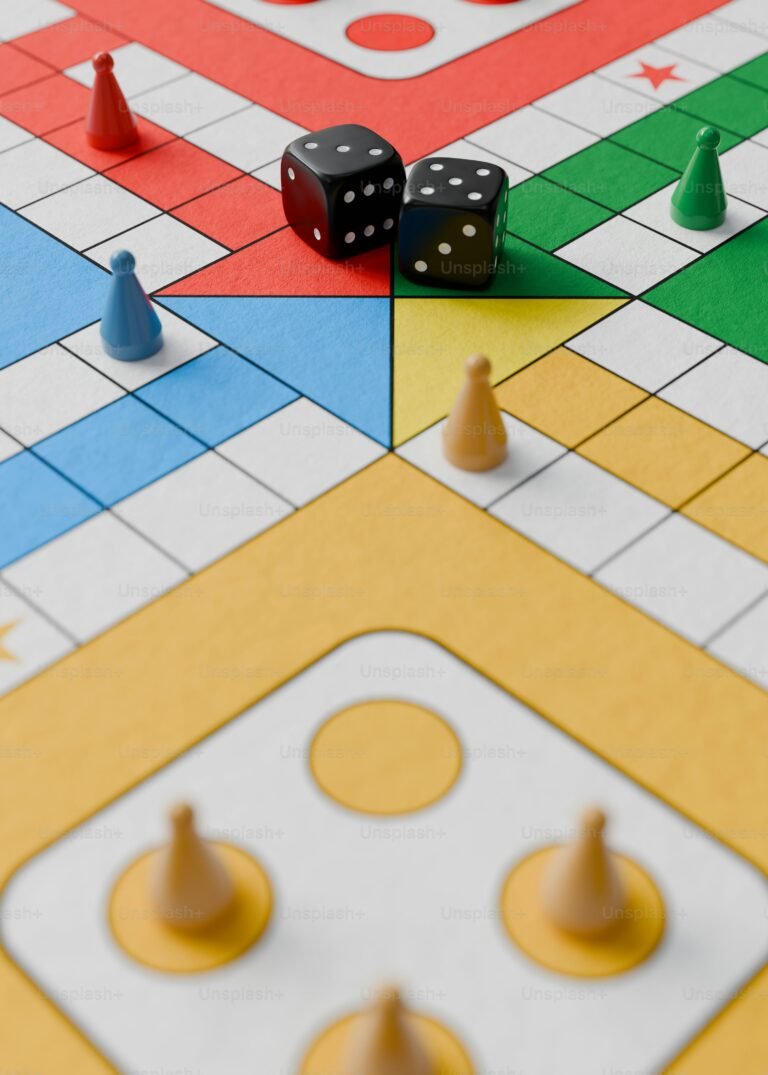
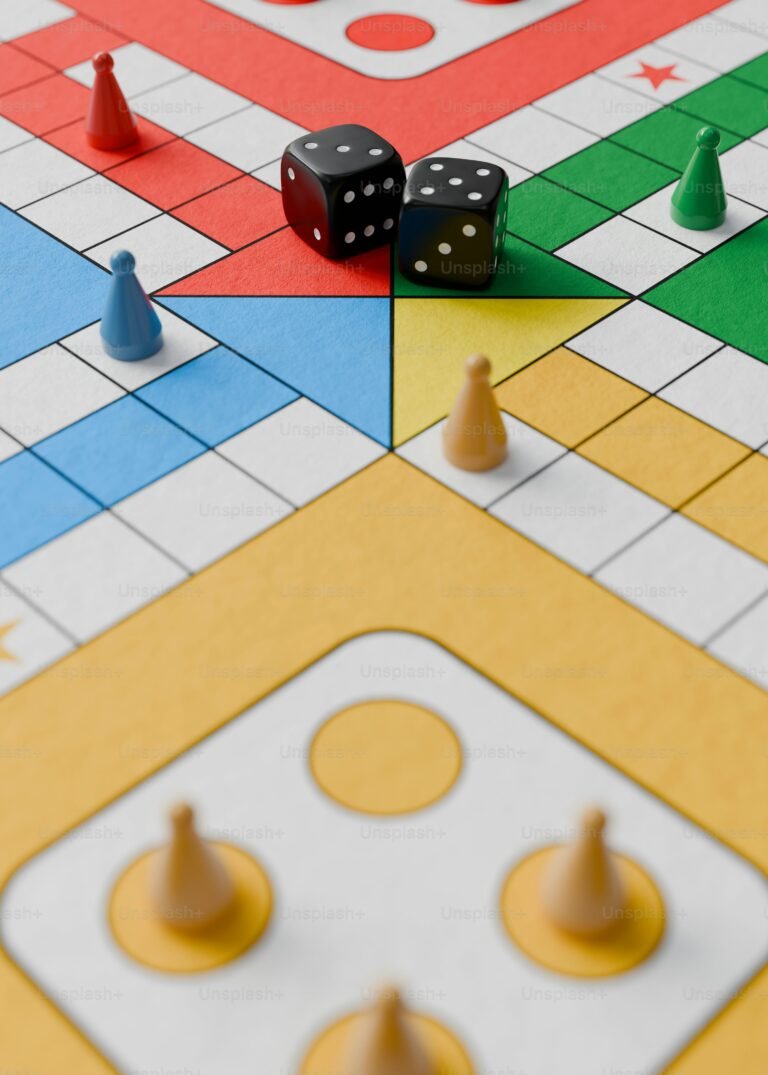
While the origin of Ludo game is purely Indian, its modern form owes much to the British colonial influence. In 1896, an Englishman named Alfred Collier modified the rules of Pachisi to simplify it for Western audiences. He replaced cowrie shells with a cube-shaped die and patented the game under the name “Ludo”, which means “I play” in Latin.
The board became square-shaped with a more structured layout, and the game gained popularity quickly across the British Empire. Ludo was marketed as a family-friendly board game, easy to understand yet strategically rich — the perfect combination for global success.
The Global Rise of Ludo – From Parlors to Smartphones
Thanks to its engaging gameplay and cultural adaptability, Ludo became a household name across continents — from Asia to Europe to Africa. It was marketed under various names: “Parcheesi” in the USA, “Mens-erger-je-niet” in the Netherlands, and “Parchís” in Spain.
But what really fueled Ludo’s resurgence in recent years is the digital revolution. With mobile apps and online platforms like Ludo.pk, the game is now accessible to millions of users worldwide. You no longer need a physical board or players in the same room. Online multiplayer modes, tournaments, and cross-platform play have turned Ludo into a truly modern global sensation.
Why Understanding the Origin of Ludo Game Matters
Knowing the origin of Ludo game enhances your appreciation for what may seem like a simple pastime. It connects you to a legacy that spans centuries, cultures, and continents. Here are a few reasons why understanding the game’s history is important:
-
Cultural Pride: For players in South Asia, Ludo is more than just a game — it’s a part of their heritage.
-
Educational Value: The game teaches patience, strategy, and probability, just like it did for ancient kings.
-
Global Connection: It shows how a regional game can evolve and adapt to become a global phenomenon.
Whether you play it with your family during Eid holidays or challenge global players online via Ludo.pk, you’re engaging with a game that’s as historical as it is entertaining.
Facts You Didn’t Know About the Origin of Ludo Game
Here are some fascinating tidbits that add more depth to the story of Ludo:
-
Ludo was part of religious rituals in ancient India, believed to bring good luck.
-
The original Pachisi boards were hand-embroidered on cloth and often considered works of art.
-
The British version, Ludo, was often included in early 20th-century military kits as a way for soldiers to pass time.
-
Ludo has inspired video games and even movies, cementing its place in pop culture.
Ludo.pk – Keeping the Origin of Ludo Game Alive in the Digital Age
At Ludo.pk, the mission is simple: to honor the origins of this iconic game while delivering a fun, competitive, and modern Ludo experience. Whether you’re a nostalgic fan or a first-time player, the platform offers:
-
Real-time multiplayer mode to challenge friends or strangers.
-
Tournaments and leaderboards for competitive players.
-
User-friendly interface that mimics the classic board experience.
-
Mobile compatibility, so you can play anytime, anywhere.
By understanding the origin of Ludo game, you can enjoy each roll of the dice with a deeper sense of history and tradition. And by choosing Ludo.pk, you’re helping keep that legacy alive.
Final Thoughts – A Game of Legacy, Culture, and Fun
The origin of Ludo game teaches us that great games don’t just entertain — they connect generations, carry culture, and adapt to the times. From the royal courts of Akbar to the digital arenas of Ludo.pk, Ludo has traveled a long and colorful journey.
Next time you sit down to play, remember: you’re not just moving tokens across a board. You’re participating in a centuries-old tradition — one roll at a time.