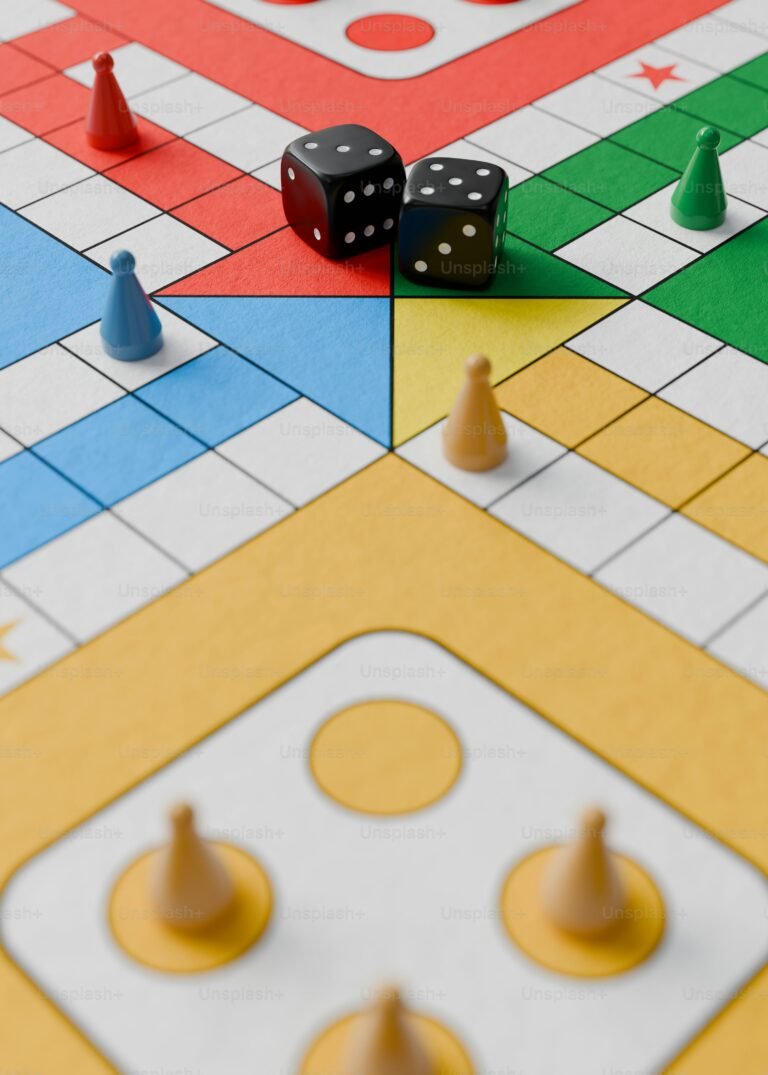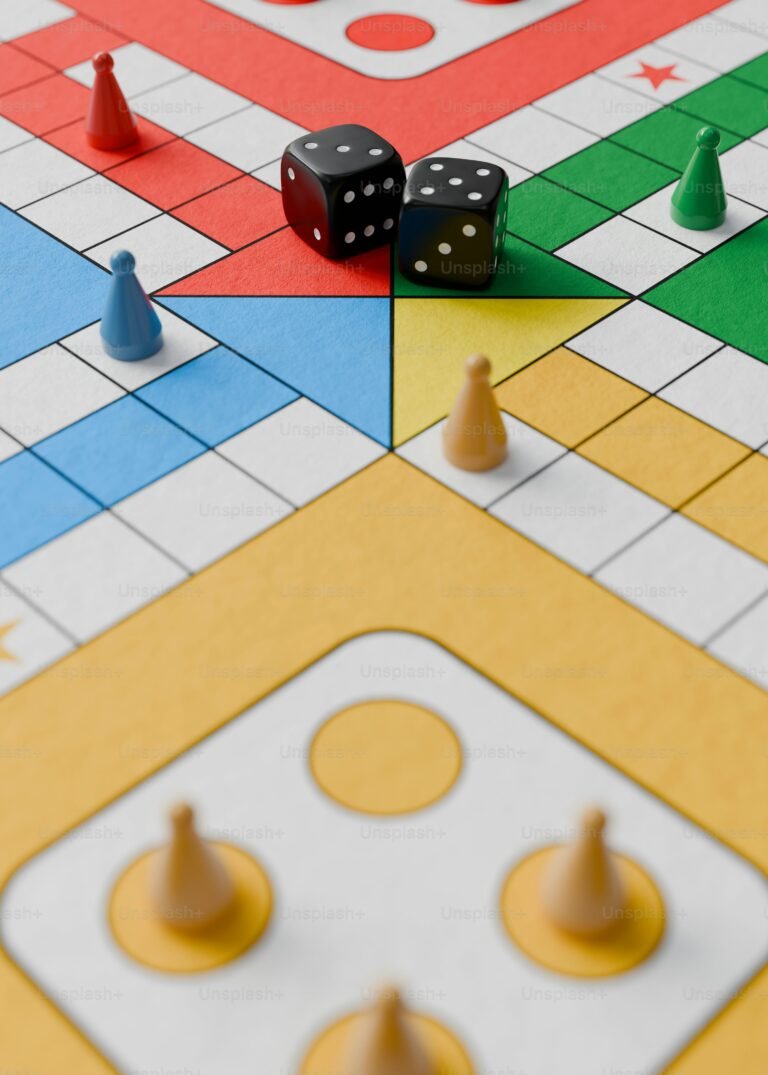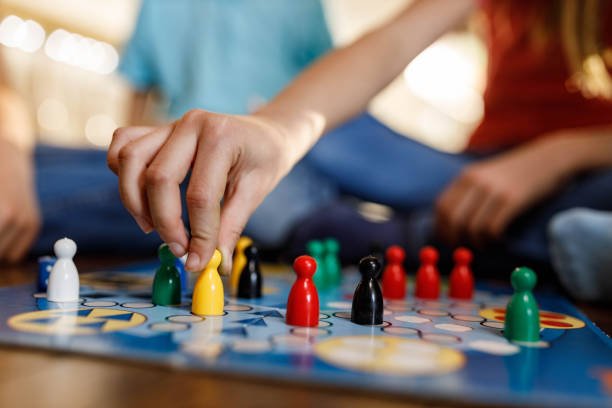
Close up of unrecognizable girl playing ludo game at home.
Psychology of Ludo of most people think of Ludo, they picture a colorful board, four tokens, and a dice. But beneath this seemingly simple game lies a fascinating world of strategy, emotions, and mental processes. The psychology of Ludo is more than just about rolling the dice — it’s about decision-making, emotional regulation, social interaction, and even personality traits that shape how players perform.
With platforms like Ludo Pakistan making the game accessible to millions online, understanding the psychology behind it has become even more important — not just for fun, but for improving your gameplay and enjoying the experience fully.
The Psychology of Ludo and Human Behavior
The psychology of Ludo offers a window into human behavior. Even though the game is heavily influenced by chance, players often display distinct patterns based on their personalities and emotions. Ludo triggers competitive instincts, social bonding, and sometimes even frustration — all of which reveal how people think and feel during gameplay.
Researchers in game psychology note that Ludo involves three core mental processes: anticipation, adaptation, and reaction. These processes can reflect a player’s risk-taking ability, patience, and resilience in the face of setbacks.
Why Luck vs. Strategy Shapes the Psychology of Ludo
One of the most intriguing aspects of the psychology of Ludo is the balance between luck and strategy. While the dice roll determines the number you move, your strategy decides which token to advance, when to block opponents, and how to protect your home route.
-
Luck: Creates uncertainty, forcing players to adapt to unexpected situations.
-
Strategy: Involves critical thinking, predicting opponents’ moves, and making calculated risks.
This combination activates both the emotional and logical sides of the brain. Players who lean heavily on luck tend to be more impulsive, while those who emphasize strategy often display patience and analytical thinking.
Emotional Intelligence and the Psychology of Ludo
Emotions play a huge role in how players approach the game. The psychology of Ludo highlights how emotional intelligence — the ability to manage your emotions and understand others’ — can impact performance.
-
Frustration Tolerance: Losing tokens repeatedly tests patience.
-
Empathy: Reading opponents’ expressions or online behavior can guide decisions.
-
Self-Control: Avoiding impulsive moves that may backfire later.
Interestingly, studies show that players who stay calm and avoid emotional outbursts are more likely to win in the long run.
Social Dynamics in the Psychology of Ludo
Ludo isn’t just about tokens and dice — it’s a social experience. Whether playing with family, friends, or strangers on platforms like Ludo Pakistan, social interaction deeply influences gameplay.
-
Team Bonding: Friendly matches can strengthen relationships.
-
Competition Pressure: Playing against skilled opponents can trigger adrenaline and push players to improve.
-
Conflict Management: Disputes over rules or moves can test diplomacy skills.
The psychology of Ludo in a social context shows that some players thrive under pressure, while others perform better in casual, low-stress environments.
Personality Types and the Psychology of Ludo
Different personality traits shape how people play. Here’s how the psychology of Ludo connects with common personality types:
-
The Aggressive Player: Always aims to knock opponents’ tokens out. Often competitive and risk-taking.
-
The Defensive Player: Focuses on protecting tokens and prioritizing safety. Often cautious and patient.
-
The Opportunist: Waits for the right moment to strike, balancing risk and reward.
-
The Social Player: Cares more about conversation and connection than winning.
Knowing your own personality type can help you refine your strategy and enjoy the game more.
Cognitive Skills Enhanced by the Psychology of Ludo
Playing Ludo regularly can boost several mental abilities, proving that the psychology of Ludo isn’t just theoretical — it has real-life benefits:
-
Decision-Making: Choosing which token to move under different scenarios.
-
Memory: Remembering opponents’ patterns and game progress.
-
Analytical Thinking: Calculating probabilities and anticipating outcomes.
-
Adaptability: Changing strategies mid-game based on luck and opponent moves.
This is why Ludo is sometimes used in educational settings to teach problem-solving and strategic thinking.
The Role of Online Platforms in Shaping the Psychology of Ludo
Digital platforms like Ludo Pakistan have transformed how the game is played. Online Ludo adds new psychological layers:
-
Anonymity: Players may act more boldly when opponents can’t see them.
-
Global Competition: Facing players from different cultures introduces varied play styles.
-
Instant Rewards: Online leaderboards and points systems can influence motivation and risk-taking.
These factors create a unique environment where the traditional psychology of Ludo evolves into a more dynamic, fast-paced mental challenge.
The Mindset of a Winning Ludo Player
Successful Ludo players often have a combination of patience, adaptability, and calculated risk-taking. In the psychology of Ludo, winning isn’t just about luck — it’s about keeping a cool head, analyzing the board constantly, and making decisions that maximize your chances over multiple turns.
A winning mindset involves:
-
Staying positive after setbacks.
-
Watching opponents closely for predictable moves.
-
Managing risk without fear or overconfidence.
Conclusion: The Psychology of Ludo Is a Reflection of Life
The psychology of Ludo is a fascinating mix of chance, skill, and human emotion. Whether played offline with friends or online on Ludo Pakistan, the game teaches patience, strategy, and adaptability — qualities that extend far beyond the board.
By understanding the mental processes behind every roll of the dice, you can not only improve your game but also gain insights into your own behavior and mindset.
So the next time you play Ludo, remember: it’s not just a game — it’s a mirror of your decision-making, emotional intelligence, and competitive spirit.