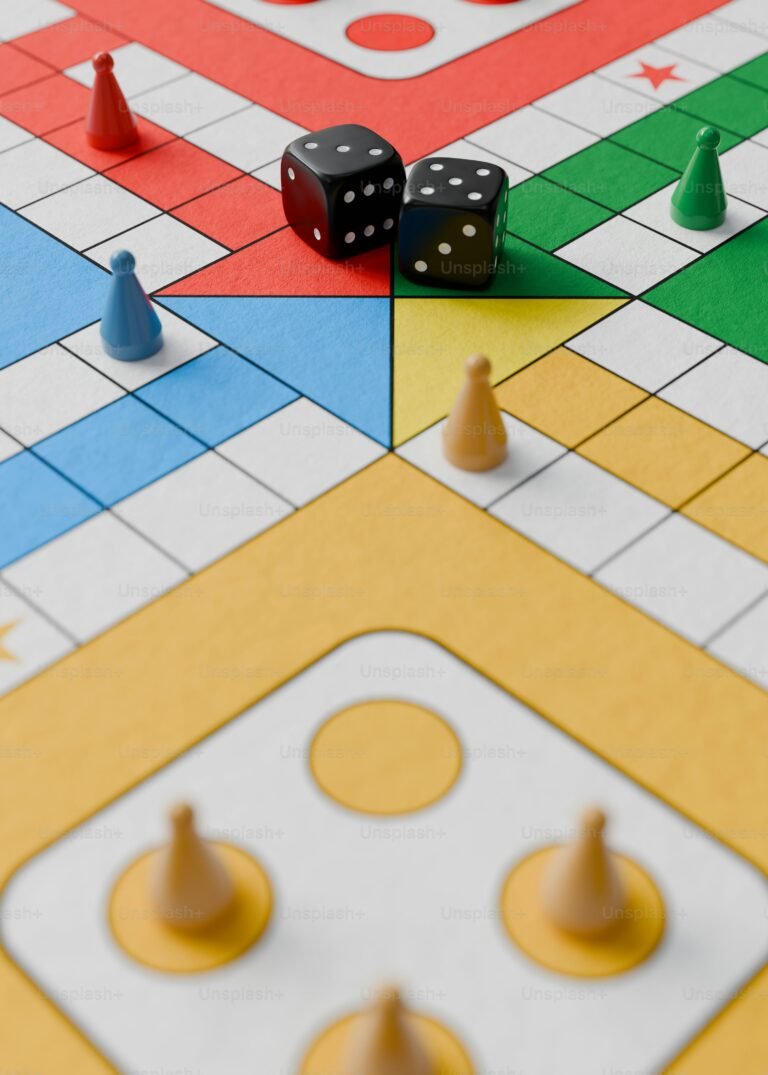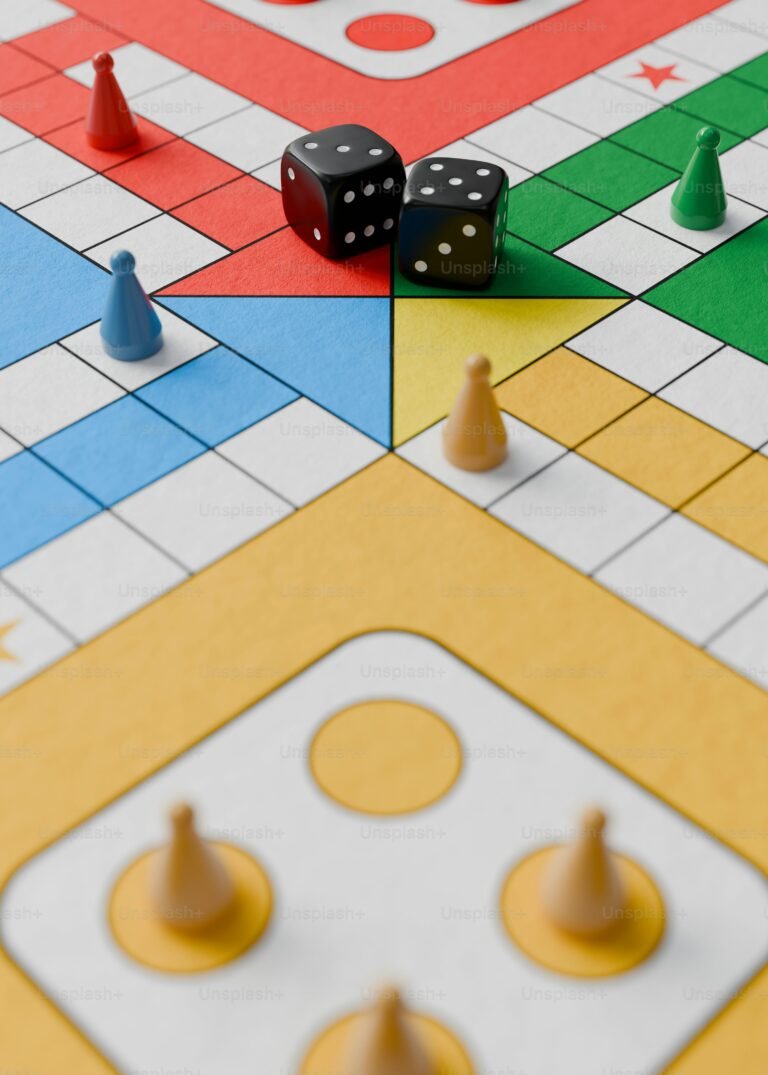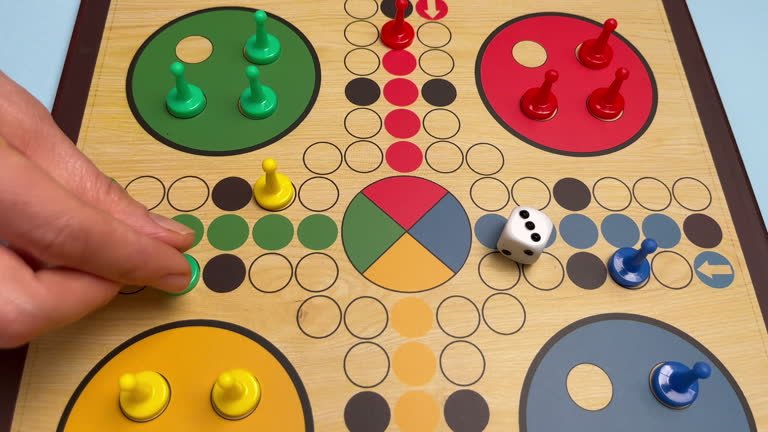
People play Ludo or Pachisi board game on beautiful wooden play board. Ludo is strategy board game for two to four players. 4K resolution family board game video.
Can I Move Any Piece When I Roll a Six?
Roll a Six, Ludo is one of the most loved board games in the world, especially in South Asia. It brings friends and families together, sparks competition, and creates memories. One of the most exciting moments in a Ludo match is when you roll a six. But here’s the big question: Can you move any piece when you roll a six?
In this blog post by the Ludo experts at https://ludo.pk/, we’ll explore the rules behind the number six in Ludo, what pieces can be moved, and the strategy behind choosing your move.
What Does It Mean to Roll a Six in Ludo?
When you roll a six in Ludo, it opens up special possibilities that can give you a huge advantage. According to the standard Ludo rules followed by most online and offline versions, rolling a six allows you to:
-
Move a piece out of the base onto the board (if you have one in the base).
-
Advance any piece already on the board by six squares.
-
Roll the dice again for an additional turn.
In essence, when you roll a six, you’re getting a double benefit: movement plus a second chance.
Can You Move Any Piece When You Roll a Six?
Short answer: Yes—but with conditions.
Here’s a breakdown:
-
If You Have a Piece in the Base: When you roll a six and have one or more pieces still inside the base, you must first use the six to bring a piece onto the board. In this case, you cannot choose to move a piece already on the track until all four of your pieces have exited the base.
-
If All Your Pieces Are Already Out: Once all your pieces are on the board, rolling a six gives you full freedom. You can move any piece you want by six spaces. At this point, it becomes a strategic decision—should you move the piece closest to home, or a piece that’s in danger of being captured?
-
If No Legal Move Is Available: Sometimes, even if you roll a six, you might not have any valid move—such as when all pieces are at the home column or blocked. In such cases, your turn is forfeited.
Want to learn more about the detailed rules of Ludo? Check out our comprehensive guide at https://ludo.pk/rules-of-ludo/.
Strategy: How to Decide Which Piece to Move When You Roll a Six
Rolling a six feels lucky, but it also comes with responsibility. Choosing the right piece can determine whether you win or lose. Here are a few tips:
💡 Tip 1: Prioritize Getting Out of the Base Always move a piece out of the base first when possible. The more pieces you have in play, the better your chances of success.
💡 Tip 2: Protect Vulnerable Pieces If one of your pieces is within striking distance of an opponent’s piece, consider moving it to a safer position—especially if it’s near your home column.
💡 Tip 3: Use the Extra Roll Wisely Don’t waste your extra turn. Try to plan two moves in advance so you can capitalize on your double opportunity.
💡 Tip 4: Play Offensively If you see a chance to capture an opponent’s piece, go for it. Capturing sends their piece back to the base and gives you another roll.
Check out our expert Ludo tips and tricks at https://ludo.pk/blog/ for more strategies like these!
Rolling Multiple Sixes in a Row: What Happens?
In some Ludo versions (including many digital ones), if a player rolls three sixes in a row, their turn is forfeited. This rule prevents a single player from dominating the game by rolling six after six.
Here’s what it looks like:
-
First 6: Bring a piece out or move a piece → Roll again.
-
Second 6: Move another piece or the same one → Roll again.
-
Third 6: Turn is canceled. No piece moves.
Always check the specific rules of the Ludo version you’re playing—especially in online games where mechanics may vary. Learn more about digital Ludo variations on https://ludo.pk/.
Common Misconceptions About Rolling a Six
Let’s clear up a few myths:
❌ Myth 1: You can always choose any piece when you roll a six.
✔️ Fact: Only if you have no pieces left in the base. If you have pieces in the base, they must come out first.
❌ Myth 2: Rolling a six always leads to another turn.
✔️ Fact: Only if your move is legal. If no valid move exists, the turn ends.
❌ Myth 3: You’re safe just because you rolled a six.
✔️ Fact: Not true! Your opponents can still capture your piece unless it’s in a safe zone.
For a full FAQ and more myth-busting info, visit https://ludo.pk/faq/.
H2: Why Rolling a Six is the Most Powerful Move in Ludo
Rolling a six isn’t just a lucky break—it’s the heart of the game’s dynamics. It:
-
Gets your pieces into action
-
Gives you extra turns
-
Opens up tactical possibilities
-
Keeps gameplay exciting and unpredictable
It’s also why players celebrate every time they roll a six—it can flip the entire outcome of the match!
H2: Ludo.pk: Your Ultimate Source for Ludo Game Play, Rules & Strategy
If you’re a Ludo lover, https://ludo.pk/ is your go-to destination for:
-
Game rules and history
-
Expert tips
-
Online game guides
-
Strategy deep-dives
-
Downloadable Ludo boards and mobile app reviews
Whether you’re playing Ludo offline with friends or competing in an online tournament, understanding what happens when you roll a six can be your competitive edge. Bookmark us for weekly updates, fun facts, and downloadable game templates.
Conclusion
So, can you move any piece when you roll a six? Yes—but only if you follow the rules. Use this special number wisely: bring pieces out early, move smartly, and plan your moves to take full advantage of extra turns. Ludo is a game of both luck and strategy, and the number six is where both worlds collide.
Ready to roll your next six? Visit https://ludo.pk/ and dive into the world of competitive, strategic Ludo today!
If you found this guide helpful, be sure to share it with fellow Ludo players and explore our full collection of game guides, rules, and fun trivia at Ludo.pk.
🟨🟥🟦🟩 Happy Rolling!